Unknown's avatar

About jongarinn

Jon is a an award-winning editor and writer with more than 30 years of experience in communications, marketing, and public relations. He holds a master’s degree in journalism from the University of North Texas and works as marketing and communications manager for a major academic medical center.

Recommended Reading

The Utopia of Rules: On Technology, Stupidity, and the Secret Joys of Bureaucracy | By David Graeber

I have a large administrative role, overseeing myriad activities from recruiting to graduation. In between these two bookends of a resident’s time in our program, there are forms to fill out, letters of recommendations to compose, and the gathering, analysis and reporting of their academic progress both internally and externally. Given that such work is now the largest slice of what I do, I am surprised on two fronts: that I have no formal training to do this well, and that I haven’t really thought of understanding this work in a scholarly fashion. In other words, why haven’t I systematically studied these administrative processes? It turns out that most academics accept the bureaucracy of the institutions that they are part of.

I recently received a list of residents who hadn’t completed a conflict of interest form. Apparently, this was assigned last summer, and it clearly escaped the notice of many of them. As I thought this through, I wondered why I don’t seem to a get a timely list of what is assigned to the residents and when it is due. I’m often brought in to help solve these issues when they reach the proverbial eleventh hour. By the time they arrive at my doorstep, they are wrapped in urgent messages with the threat of taking away the resident’s access or getting docked in pay. It’s hard for a program director, who is primarily the residents’ advocate, to cross over to the space where these threats are emanating from. What’s more logical is for me to examine the process and take co-ownership at its genesis rather than at its finale.

I wondered if anyone had written about such situations. As it turns out, someone has. David Graeber discusses the origins and evolution of bureaucracy in his marvelous book, The Utopia of Rules.

One quote that resonated with me:

“Just as the invention of new forms of industrial automation in the eighteenth and nineteenth centuries had the paradoxical effect of turning more and more of the world’s population into full-time industrial workers, so has all the software designed to save us from administrative responsibilities in recent decades ultimately turned us all into part or full-time administrators.”

We have considerable but not unlimited freedom in the work we do. Paradoxically this freedom entails an increasing bureaucracy that catalogues, measures, analyses and ultimately manages this freedom. Perhaps Dr. Y is prescribing too many opioids, or Dr. Z’s length of stay is too long. Regarding conflicts of interest, the residents are not prohibited from having them, they just need to report them, and someone up there will decide if they need to be managed in some way.

Another Graeber quote:

“But the culture of evaluation is if anything more pervasive in the hypercredentialized world of the professional classes, where audit culture reigns, and nothing is real that cannot be quantified, tabulated, or entered into some interface or quarterly report.”

Process improvement, project management, implementation science, industrial and organizational psychology – most institutions will embrace one or more of these capabilities to help manage and optimize the rules and processes that are part of our daily work. As 2024 starts, I will attempt to understand and help manage all the bureaucratic tasks that residents encounter. The first step will entail comprehensively cataloging all that is expected of them and by when, the next would be to negotiate away that which is duplicative or of no value. I expect that over the course of their training here there may be upwards of 100 discrete administrative tasks. Except for a few quick ones, I cannot assume that they will get these done “on their own time.” Some are created by the program: evaluations, timesheets, surveys; others by your employers/hospitals: various compliance modules, immunization, TB testing, mask fitting, etc.

It is unfortunate that some residents were caught off guard by any last-minute administrative requirements accompanied by threats. I know that they are conscientious and eager to cooperate. I also realize that their clinical responsibilities and education are their primary priorities. Together we will find a way to manage what has become a recurring problem in our program – the urgent administrative task that threatens to take away their access and dock their pay. It should never come to that.

Salahuddin “Dino” Kazi, M.D.

Posted in Uncategorized

Burstein and Colleagues Advance Understanding of Complex Molecular Process

Ezra Burstein, M.D., Ph.D., a Professor and Chief of Digestive and Liver Diseases, and colleagues recently published the results of an investigation into the molecular organization of essential regulators of endosomal recycling, a process required for normal functioning of all cells. The study, which appears in the December issue of Nature Structure and Molecular Biology, builds on nearly two decades of work in the Burstein Lab, starting with the discovery of a family of proteins known as COMMD.

We asked Dr. Burstein to summarize the research and its significance.

In this study, we report the molecular organization of critical regulators of endosomal recycling, a process required for normal function of all cells. The plasma membrane of the cell is an essential barrier between the environment and the inside machinery of the cell. It is not only a membrane, but it includes a number of essential proteins including receptors, transporters, channels, and myriad other factors, which represent nearly 11% of all proteins in human cells. Normal cell function requires a constant flux of membranes from the cell surface to intracellular vesicles known as endosomes. Plasma membrane proteins are included in these membranes. From endosomes, these proteins are sent back to the plasma membrane for recycling or routed to lysosomes for degradation. Given the indispensable functions of many plasma membrane proteins, the process of endosomal recycling is essential to cellular homeostasis. The paper describes the molecular organization of the Retriever complex, an essential regular of endosomal recycling, as well as its closely associated partner, the COMMD/CCDC22/CCDC93 or CCC complex. With 16 distinct protein subunits, this structure is complex and deciphering its organization allows us for the first time to begin to understand how this system works at the molecular level. 

Many aspects of normal health are dependent on normal function of the Retriever and CCC complex. For example, inherited mutations damaging components of this system lead to elevated cholesterol, alterations in copper handling in the body, and altered intrauterine development resulting in a congenital condition known as Ritscher-Schinzel syndrome. As part of the studies published, the group also reported for the first time that some cancer types frequently harbor mutations that inactivate the Retriever complex, resulting in significant changes in plasma membrane proteins. The study is the result of a close partnership with Dr. Stone Chen, Associate Professor at Iowa State University, as well as Dr. James Chen, Professor in the Department of Biophysics at UT Southwestern, co-corresponding authors on the paper. This work builds on nearly two decades of work in the Burstein lab, starting with the discovery of the family of proteins known as COMMD proteins nearly 20 years. AlphaFold, a computational method based on artificial intelligence that can predict protein folding based on amino acid sequences, as well as the advent of cryogenic electron microscopy, made these studies possible.

Zigman Lab Demonstrates Effects of Ghrelin Reduction on Pancreatic Islets

New research findings published in The Journal of Clinical Investigation about the hormone ghrelin’s role in regulating blood glucose could have implications for the treatment of type 1 and type 2 diabetes.

We asked Jeffrey Zigman, M.D., Ph.D., a Professor in the Division of Endocrinology, to explain his team’s findings.

Why is this research noteworthy?

Our research demonstrating that reducing levels of the hormone ghrelin alone can relatively markedly and rapidly increase pancreatic beta-cell mass is noteworthy because the findings are novel, the findings partially explain the changed physiology of islets in the setting of obesity, the findings contribute to our understanding of how ghrelin regulates blood glucose, and the findings have implications for treatment of type 1 and type 2 diabetes.

What are the top three takeaways from the research?

  1. Reducing ghrelin – by gene knockout, conditional ghrelin-cell ablation, or high-fad diet feeding – is associated with increased mean pancreatic islet size, percentage of large islets, and β-cell mass.
  2. Higher β-cell numbers from decreased β-cell apoptosis contributes to the increased β-cell mass.
  3. A negative correlation between islet size and plasma ghrelin in high fat diet-fed plus chow-fed wildtype mice together with even higher islet size in high fat diet-fed ghrelin-knockout mice than in high fat diet-fed wildtype mice suggest reduced ghrelin contributes to, but is not solely responsible for diet-induced obesity-associated islet enlargement.

Does this build on previous findings from you or your lab, or other researchers at UTSW?

Yes – Previous work in the Brown/Goldstein lab has highlighted the essential role of ghrelin in preventing life-threatening drops in blood glucose in the setting of severe caloric restriction. Previous work in the Zigman lab has demonstrated key roles for different brain regions in ghrelin’s glucoregulatory actions. The Zigman lab has published papers that help clarify the pancreatic islet celltypes mediating ghrelin action.  Also, the Zigman lab has also previously demonstrated that ghrelin permits the normal counterregulatory response to insulin-induced hypoglycemia.

Are there any distinctive tools, technology, training, grants, development initiatives or state or federal funding such as NIH that we should mention?

This work was supported by the David and Teresa Disiere Foundation (to J.M.Z.), the Diana and Richard C. Strauss Professorship in Biomedical Research (to J.M.Z.), the Mr. and Mrs. Bruce G. Brookshire Professorship in Medicine (to J.M.Z.), the Kent and Jodi Foster Distinguished Chair in Endocrinology, in Honor of Daniel Foster, M.D. (to J.M.Z.), the American Diabetes Association (a Pathway to Stop Diabetes Initiator Award 1-18-INI-14 to J.N.C.) and the National Institutes of Health (R01DK103884 and R01DK119341 to J.M.Z., R01HL153916 to J.N.C., and P30DK127984).

How does this advance the field?

This research expands our understanding of how ghrelin’s actions to regulate blood glucose, which are thought to be essential in the setting of severe caloric restriction, are mediated. This research expands our understanding of how islet size and insulin levels are regulated in the setting of diet-induced obesity as a defensive strategy against insulin resistance. This research reveals clues regarding potential mechanisms by which reducing ghrelin increases islet size.  This research provides a platform for potential new treatments for type 1 and type 2 diabetes.

How does this tie into/advance toward clinical solutions for patients?

Such a relatively marked and rapid effect of conditional ghrelin reduction could potentially be harnessed to increase beta-cell mass as a treatment for type 1 diabetes mellitus (T1DM). One could envision a therapeutic strategy whereby neutralizing ghrelin or decreasing ghrelin signaling in other ways  could be used to increase beta-cell numbers within donor islets, optimize proliferation of cultured beta-cell lines, and/or favor expansion of beta-cells within islet organoids prior to or following beta-cell transplantation. Decreasing ghrelin signaling within patients who have undergone islet cell transplantation also presumably would favorably impact glycemic control in other ways, for instance by enhancing insulin sensitivity, directly and indirectly promoting insulin secretion, and increasing islet vascularity, all of which previously have been documented. It remains to be seen if islets or beta-cells from low ghrelin environments also would exhibit improved survival following transplantation, as for instance has been shown for enlarged islets derived as a result of other manipulations.

Neutralizing ghrelin additionally might show efficacy as a T1DM prevention strategy and in management of type 2 diabetes mellitus (T2DM). For instance, in the non-obese diabetic (NOD) mouse model, enhancing beta-cell proliferation prior to islet infiltration by immune cells alters the immunogenic identity of beta-cells, protecting the mice from developing T1DM. One wonders if enhancing β-cell numbers by neutralizing ghrelin would have the same effect. Also, during the pathogenesis of T2DM, longstanding insulin resistance causes beta-cells to become dysfunctional and/or dormant, eventually leading to deterioration of glycemic control. This results at least in part from inactivation of key beta-cell transcriptional complexes. Neutralizing ghrelin conceivably could serve as a novel means to replenish β-cells in patients with T2DM.

How do UTSW’s education, clinical care, or other research missions tie into this research?

This research was conducted within UT Southwestern’s Center for Hypothalamic Research, which was established in 2006 to bring together scientists interested in understanding the mechanisms by which the hypothalamus regulates eating, body weight, blood glucose, and related metabolic processes. The Center is unique among academic institutions in that it is the only one with a primary focus on the hypothalamus. By studying the hypothalamus plus interconnected brain regions, peripheral organ systems such as the pancreatic islets, and hormonal networks along the gut-brain axis, we hope to better understand the pathogenesis of obesity, diabetes, and related metabolic/mood disorders. 

This research also is aligned with the UT Southwestern’s Nutrition and Obesity Research Center’s mission to support research infrastructure, enrichment programs, and collaborative activities for investigators conducting research in the causal factors of nutrition and obesity-related health problems, including consequences, prevention, and alleviation. Further, this research has been facilitated by the mission of the Endocrinology Division at UT Southwestern, with its diverse faculty whose expertise spans the spectrum of endocrine diseases, including obesity and diabetes.

Recommended Reading

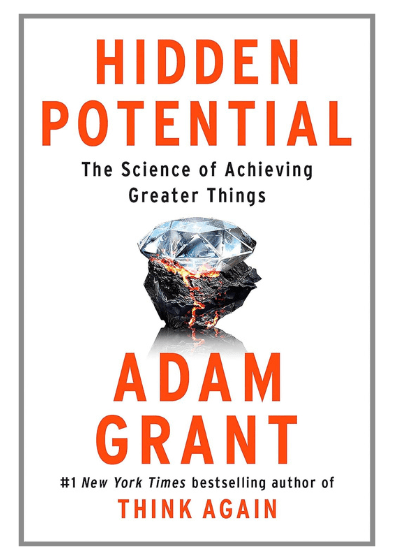
Hidden Potential: The Science of Achieving Greater Things | By Adam Grant

Adam Grant writes about organizational psychology and seeks and interprets natural and laboratory evidence to unlock new ways of understanding the human condition. His books are optimistic and encourage new ways of being hopeful as we navigate a complex and evolving world.

His latest contribution, Hidden Potential: The Science of Achieving Greater Things, is divided in three sections, discussing character skills, creating structures to sustain motivation, and building systems to expand opportunity for everyone – not just for the privileged.

Regarding character, Grant states that character is often confused with personality and while they are related, one can view personality as our predisposition (how we think, feel and act instinctively), while character is our capacity to prioritize our values over our instincts. Character allows one to transcend one’s personality traits.

Our growth is often limited because we seek a comfort zone – we limit ourselves to things we are good at and thereby avoid the discomfort of failure. The most growth occurs when we leave that comfort zone, seeking new knowledge and skills. Seeking advice (instead of feedback) is helpful. It’s important to be aware of the critics who see our weaknesses and attack our worst selves and cheerleaders who see our strength and celebrate our best selves. While both have their place, what helps most is the coach who sees our potential and helps us become a better version of ourselves.

We are also limited by ever-increasing perfectionism – the zero tolerance for error may trap us in the realm of the straightforward and the familiar. The real world is far more ambiguous and being driven to find “correct” answers can be a futile exercise. The quest for flawless results can lead us to simply refine our existing skill set (solving tiny problems of dubious value) rather than seeking new knowledge. Perfectionism traps us in a spiral of tunnel vision and error avoidance.

Grant takes on the dangers of monotonous deliberate practice (think musicians and athletes) and coins the term “boreout” to distinguish this from “burnout.” Sports psychologists incorporate play in practice by developing varying routines, thereby reducing the risk of boreout and burnout. Brandon Payne used this technique on Steph Curry, taking him from ordinary to extraordinary. Grant asks us to design better systems to reach those who did not have privilege at the start – the late bloomers, the long shots, the ones who travelled a greater distance to get to where they are now. He explores compelling evidence from the school system in Finland – where all students (not just the talented and gifted) get great teachers and individualized relationships. Finnish students are now outscoring many countries in the PISA (Programme for International Student Assessment).

Describing the ingenious rescue of the Chilean miners in 2010, Grant takes a foray in the concept of collective intelligence and how this intersects in teams and in company hierarchy. He bemoans meetings where loud and dominating voices can squelch great ideas and how leadership styles can prevent great ideas from being even considered. Weak leaders silence voice and shoot the messenger. Strong leaders welcome voice and thank the messenger. Great leaders build systems to amplify voice and elevate the messenger.

Grant ends by discussing the near impossible task of discovering hidden talent, the diamonds in the rough. We rely on metrics like GPA, SAT, USMLE etc., all of which will miss those individuals who travelled a much greater distance, started from a lower point but are brimming with potential.

Salahuddin “Dino” Kazi, M.D.

Zigman Lab Demonstrates Exercise Benefits Across Disease Types

New research findings published in the Journal of Clinical Investigation could potentially impact all diseases for which exercise may be used as a treatment or preventive method, including obesity, depression, type 2 diabetes, and cancer.

We asked Jeffrey Zigman, M.D., Ph.D., a Professor in the Division of Endocrinology, and his colleagues in the Center for Hypothalamic Research, to explain his team’s findings.

In one sentence, why is this research noteworthy?

Our research demonstrates for the first time that activation of ghrelin-responsive neurons in the mediobasal hypothalamus is required for the normal feeding response to high intensity interval exercise and the usual amount of running exhibited during an exercise endurance protocol.

What diseases do the findings potentially impact?

This potentially impacts all diseases for which exercise may be used as a treatment or a preventative method, including obesity, depression, type 2 diabetes, and cancer.

What are the top three takeaways from the study/research?

  1. Inhibition of ghrelin-responsive neurons in the mediobasal hypothalamus (a region of the brain) suppresses food intake following a high-intensity interval exercise protocol. 
  2. Inhibition of ghrelin-responsive neurons in the mediobasal hypothalamus (a region of the brain) reduces running distance in an exercise endurance protocol.
  3. High intensity interval exercise increases the expression of GHSR, which serves as the receptor for ghrelin, in the mediobasal hypothalamus.

Does this build on previous findings from you or your lab, or other researchers at UTSW?

Yes – Previous collaborative work from the Zigman and Elmquist labs implicated the orexigenic hormone ghrelin as a mediator of exercise endurance and the feeding response post-exercise. Specifically, plasma ghrelin levels were shown to double in mice when they are submitted to high-intensity interval exercise. Also, mice lacking GHSR were shown to exhibit decreases food intake following high intensity interval exercise and a diminished running distance during a longer exercise endurance protocol. Previous work by the Elmquist lab has identified the ventromedial hypothalamus (which helps comprise the mediobasal hypothalamus) as a key brain region regulating the metabolic responses to exercise. Further, previous work by the lab of Kevin Williams had shown that exercise induces changes in the organization of neuronal circuits within the arcuate hypothalamic nucleus (which also helps comprise the mediobasal hypothalamus).

Are there any distinctive tools, technology, training, grants, development initiatives or state or federal funding such as NIH that we should acknowledge?

Most importantly, there are two key funding sources listed: one is the program project grant (P01) of which Joel Elmquist is PI and I (Zigman) and Kevin Williams are Project Leaders.  Also, funding of Om Singh (my postdoc) by the OBI Sprouts program. This work was supported through research grants from the NIH (P01 DK119130 to Joel Elmquist and R01 DK119341 to J.M.Z.), the Diana and Richard C. Strauss Professorship in Biomedical Research (to J.M.Z.), the Mr. and Mrs. Bruce G. Brookshire Professorship in Medicine (to J.M.Z.), and the Kent and Jodi Foster Distinguished Chair in Endocrinology, in Honor of Daniel Foster, M.D. (to J.M.Z.), and the Peter O’Donnell Jr. Brain Institute (OBI) Sprouts Program (to O.S.).

How does this advance the field?

This research expands our understanding of how the ghrelin system responds to exercise and where ghrelin acts in the brain to regulate food intake after exercise and to regulate exercise endurance. 

How does this tie into/advance toward clinical solutions for patients?

This research helps us to better understand how the gut-brain axis links exercise to metabolism. As exercise has been shown to have numerous health benefits across a wide spectrum of diseases, this new insight into the hormonal-neuronal interactions mediating eating after exercise and exercise endurance hopefully can eventually be harnessed to improve/highlight those benefits.

How do UTSW’s education, clinical care, or other research missions tie into this research?

This research was conducted within UT Southwestern’s Center for Hypothalamic Research, which was established in 2006 to bring together scientists interested in understanding the mechanisms by which the hypothalamus regulates eating, body weight, blood glucose, and related metabolic processes. The Center is unique among academic institutions in that it is the only one with a primary focus on the hypothalamus. By studying the hypothalamus plus interconnected brain regions, peripheral organ systems, and hormonal networks along the gut-brain axis, we hope to better understand the pathogenesis of obesity, diabetes, and related metabolic/mood disorders. 

This research also is aligned with the UT Southwestern’s Nutrition and Obesity Research Center’s mission to support research infrastructure, enrichment programs, and collaborative activities for investigators conducting research in the causal factors of nutrition and obesity-related health problems, including consequences, prevention, and alleviation.

Further, this research has been facilitated by the mission of the Endocrinology Division at UT Southwestern, with its diverse faculty whose expertise spans the spectrum of endocrine diseases, including obesity and diabetes.

Dr. Zigman holds the Kent and Jodi Foster Distinguished Chair in Endocrinology, in Honor of Daniel Foster, M.D.; the Mr. and Mrs. Bruce G. Brookshire Professorship in Medicine; and the Diana and Richard C. Strauss Professorship in Biomedical Research.